A coffee station and a mobile coffee bar are not the same thing, even though both turn up at events and produce hot drinks. The difference is in quality, experience, and what guests walk away with. This article explains what each one actually delivers so you can make an informed choice for your Gauteng event.
Why the Distinction Matters for Your Gauteng Event
When event planners in Gauteng search for coffee options, the terms “coffee station” and “mobile coffee bar” tend to get used interchangeably. They’re not interchangeable. The gap between what each option delivers for your guests is significant, and choosing one when you expected the other is a frustration that shows up on the day when there’s nothing you can do about it.
This article gives you a clear picture of what each option is, what it produces, and which one suits which type of event.
What a Coffee Station Is
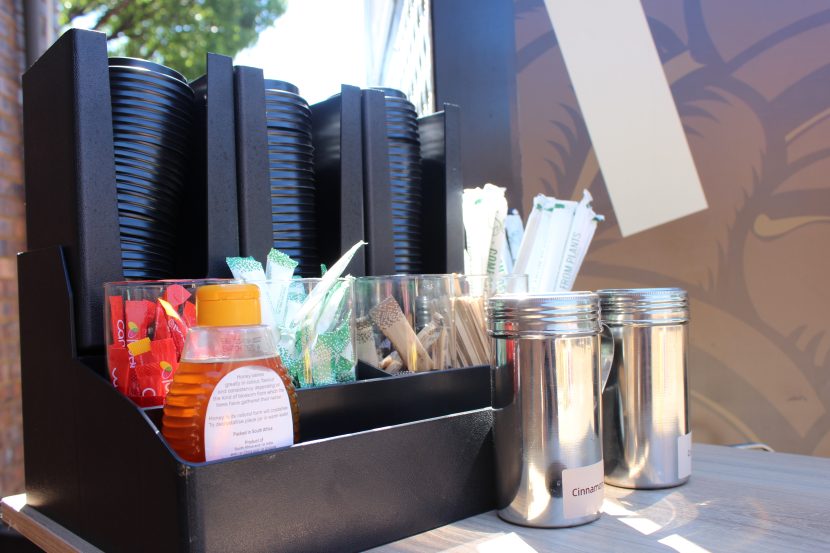
A coffee station at a Gauteng event is typically a self-serve setup: a table or unit equipped with a coffee machine, pre-portioned coffee, milk, sugar, and cups. Guests serve themselves. There may or may not be someone supervising the station.
The machine at a coffee station ranges widely in quality. At the lower end, it’s a drip machine or a pod unit. At the higher end, it might be a prosumer espresso machine that a staff member operates. But in most cases, the defining characteristic of a coffee station is that it produces a standardised output with limited customisation and limited interaction.
Coffee stations work for specific contexts: a casual office meeting, a budget-constrained event where beverage service is secondary, or a very small gathering where the host is happy to manage the machine themselves. What they don’t produce is a guest experience. They produce a drink.
What a Mobile Coffee Bar Is
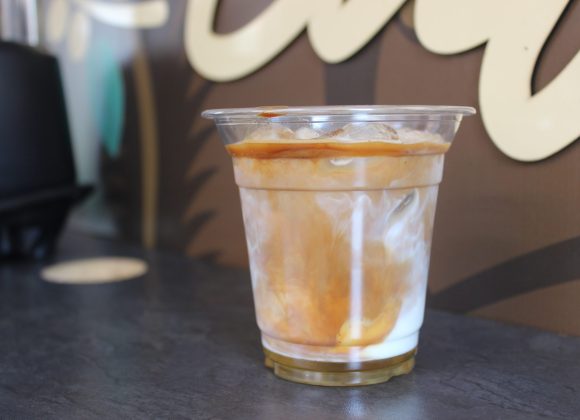
A mobile coffee bar is a fully equipped, self-contained specialty coffee service that comes to your event. Moka Cafe’s mobile coffee bar is built around a commercial-grade espresso machine, a dedicated grinder, and a trained barista who operates it.
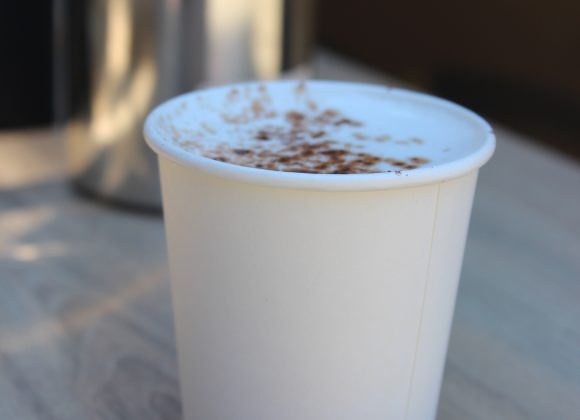
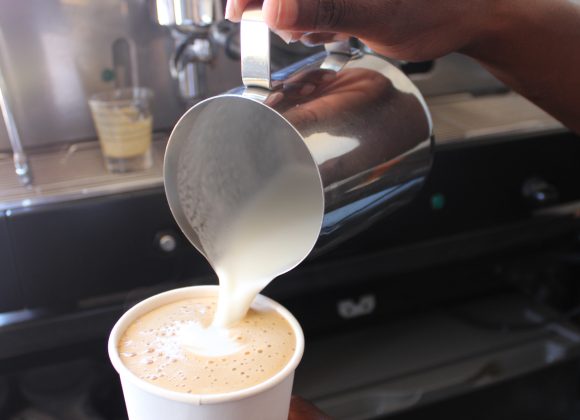
Every drink is made to order. The barista pulls a fresh shot for every cup, steams milk to the right temperature for each drink type, and produces a consistent result across the full service window. The guest interacts with a person, makes a choice from a real menu, and receives a drink that was made specifically for them.
The difference in quality between a well-made espresso drink and the output of a pod machine or a pre-brewed station is immediately noticeable to any regular coffee drinker. And the difference in the guest experience, the warmth of interaction, the sense of being served rather than serviced, is noticeable to everyone.
A Side-by-Side Comparison
| Coffee Station | Mobile Coffee Bar | |
|---|---|---|
| Equipment | Pod machine, drip machine, or basic espresso unit | Commercial espresso machine and grinder |
| Coffee quality | Standardised, often average | Freshly ground and pulled to order |
| Menu range | Black, white, sometimes instant hot chocolate | Full menu across hot, cold, and non-coffee options |
| Barista | Usually no dedicated barista | Trained barista for the full service window |
| Guest experience | Self-serve, functional | Made to order, personal, warm |
| Event-day management | Requires monitoring and restocking | Self-managing from the host’s perspective |
| Cost | Lower | Higher |
When Each Option Is the Right Call
A Coffee Station Makes Sense When
You’re running a small internal meeting or workshop where coffee is a practical requirement rather than a hospitality moment. The guest count is low, the event is short, and nobody in attendance has an expectation around beverage quality. You have someone available to manage the station and it won’t become their primary job for the day.
A Mobile Coffee Bar Makes Sense When
The event is one where guests will notice and remember the details. Corporate functions where first impressions carry professional weight. Weddings and private celebrations where the experience is the point. Year-end functions where the coffee service signals that the people who planned the event thought about the people attending it. Exhibitions and product launches where the coffee bar is an active part of the brand experience rather than a background utility.
The Question Worth Asking
Before you decide which option fits your Gauteng event, ask yourself what you want guests to say about the coffee when they leave. If the answer is “nothing, because coffee wasn’t really part of the experience,” a coffee station may be adequate. If the answer is “I want them to say it was good,” a mobile coffee bar is what produces that outcome.
Frequently Asked Questions
Can a mobile coffee bar work at a small event?
Yes. Moka Cafe serves events of varying sizes across Gauteng. For smaller events, the service is structured to match the scale and guest count appropriately.
Is the quality difference between a coffee station and a mobile coffee bar really noticeable?
To regular coffee drinkers, yes, immediately. To guests who drink coffee less frequently, the difference shows up in whether the drink is good enough to go back for a second. Fresh espresso pulled by a skilled barista consistently performs better on that measure than pre-portioned or pod-based alternatives.
Can I get a mobile coffee bar if my event doesn’t have a lot of outdoor space?
Yes. Moka Cafe operates at indoor venues as well as outdoor events. Setup requirements, including space and power access, are confirmed at the booking stage and the service is planned around your specific venue constraints.
What’s included in the Moka Cafe mobile coffee bar service?
The full setup including the trailer, equipment, barista, ingredients, and breakdown at the end. Everything needed for the service comes with the booking. Visit the website for the full menu and service details.
Ready to go beyond a coffee station for your next Gauteng event? Talk to Moka Cafe about what a mobile coffee bar looks like for your occasion.