TL;DR: Coffee running out at a Gauteng event is almost always a planning problem. The fix is sharing accurate guest numbers and event structure with your provider, understanding peak demand windows, and choosing a service model that scales to your actual event rather than just the average headcount.
Why Coffee Runs Out at Gauteng Events
It’s one of the most common complaints in event planning, and it’s almost entirely preventable. The coffee runs out. The urn is empty. The barista is out of milk. Guests who wanted a second cup find nothing waiting for them, and that mild frustration attaches itself to their overall impression of the event.
This doesn’t happen because there wasn’t enough coffee in the world. It happens because the service wasn’t planned around how guests actually behave at events, which is rarely evenly spread across the whole duration.
The Real Cause: Peak Demand Is Not Average Demand
Event planners often think about coffee in terms of total cups per guest across the whole event. If it’s a four-hour event with 100 guests and each person has two cups, that’s 200 cups total. So they plan for 200 cups.
The problem is that those 200 cups don’t arrive steadily across four hours. They arrive in waves. And the wave that hits during a morning coffee break or immediately after a meal is much steeper than the average suggests.
If 80 of your 100 guests want coffee in the same 20-minute window, and your service can only produce 40 cups in 20 minutes, the remaining 40 guests either wait too long or go without. That’s a supply failure that looks like a stock problem but is actually a capacity problem.
The Most Common Peak Demand Windows at Gauteng Events
Knowing when your guests will want coffee is half the battle. At most Gauteng events, demand spikes predictably around:
- Arrival: Guests who haven’t had coffee yet arrive motivated. This is often the highest single demand moment of any event.
- Mid-morning breaks: The first formal break in a conference or programme reliably produces a rush. Every delegate heads for the coffee at the same time.
- Post-meal: After a lunch or dinner, most guests want coffee. This is a sustained demand window rather than a spike, but it still requires adequate capacity.
- Late afternoon: Less intense than morning demand, but still significant at full-day events. Guests who skipped the earlier rounds often show up now.
When you brief your coffee provider, describe these windows specifically. Don’t just share the total guest count. Share the event structure and where demand will concentrate.
Why Hired Urns and Self-Serve Stations Run Out Faster
A hired urn holds a fixed volume of coffee and that’s it. When it’s empty, it’s empty. Refilling takes time and often requires someone to manage it, which isn’t always the case at busy events.
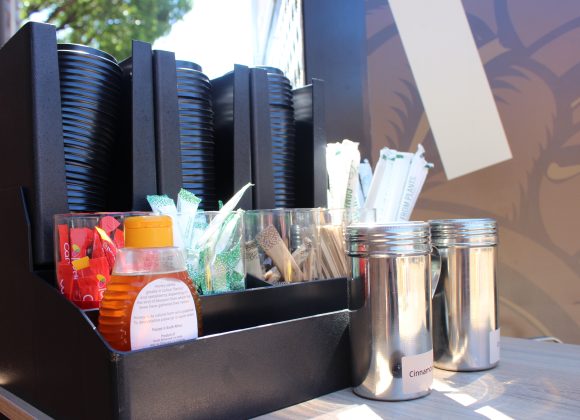
Self-serve stations have the same limitation. They’re loaded with a finite supply, and during a peak demand window they can empty faster than anyone anticipated. There’s no barista reading the room, no system for replenishing in real time, and no one whose job it is to make sure guests get what they want.
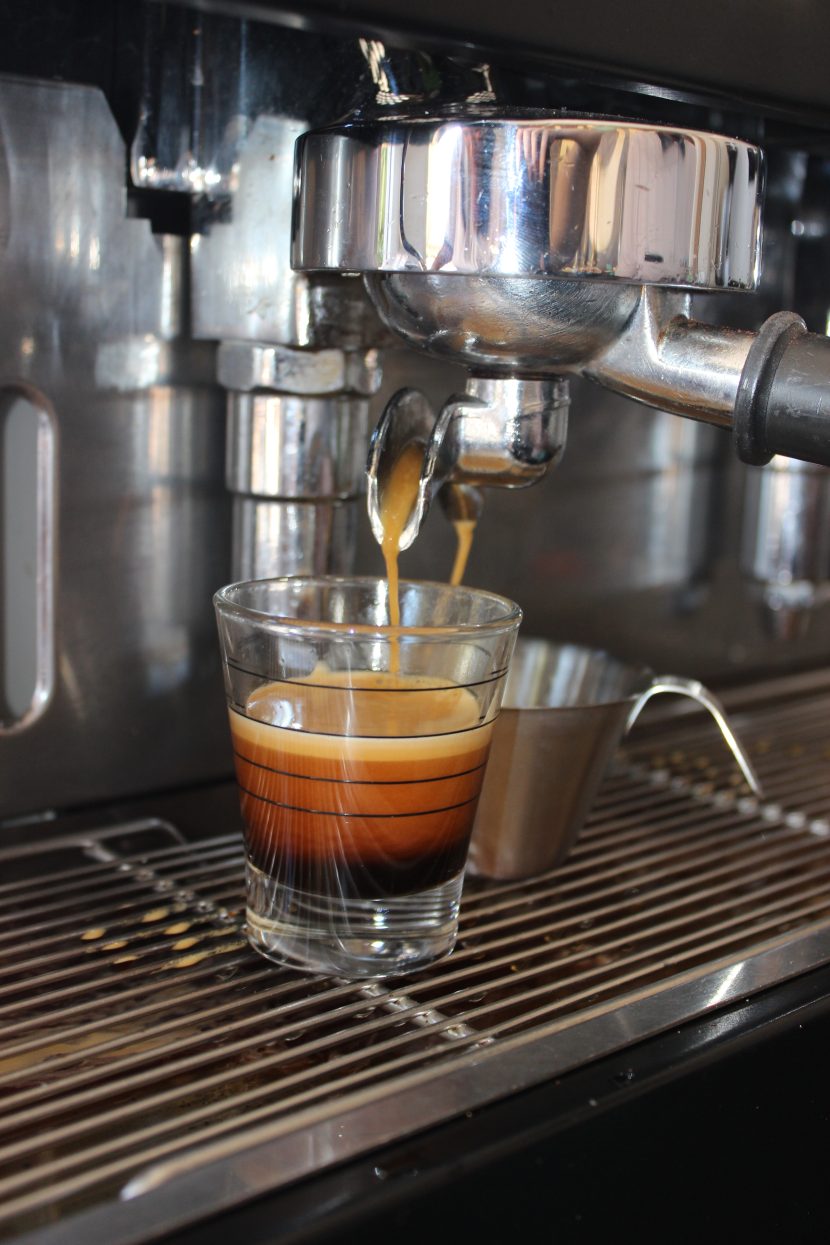
A mobile coffee bar with a trained barista works differently. Drinks are made to order, one at a time, as guests arrive. The supply scales to demand rather than being fixed at the start of the event. As long as the barista has ingredients and the service is planned for the right capacity, running out isn’t a realistic outcome.
How to Brief Your Coffee Provider to Prevent This
The information your provider needs to prevent running out isn’t complicated, but it’s specific:
- Total guest count: the actual number of people at your event
- Event duration: full day, half day, or a specific service window
- Programme structure: when are the formal breaks, meals, and transitions that create demand peaks
- Venue layout: how guests will flow through the space and how that affects queue behaviour
- Guest profile: a corporate audience tends to drink more coffee per person than a mixed social group; knowing this helps with planning
When Moka Cafe receives this information at the enquiry stage, the service is planned around the actual demand structure of your event rather than a generic estimate. That’s how coffee stops running out.
Choosing a Service Model That Fits Your Event
Not every event needs the same coffee service model. The right choice depends on your guest count, your event duration, and where demand concentrates:
| Event Type | Service Model That Works |
|---|---|
| Small private party (under 50 guests) | Single barista, continuous service or defined windows |
| Mid-size corporate event (50 to 150 guests) | Single barista, briefed on peak windows, adequate supply stock |
| Large conference (150 or more guests) | Discuss capacity planning directly with provider; break timing is critical |
| All-day wedding | Multiple service windows across the day; plan around cocktail hour and post-meal peaks |
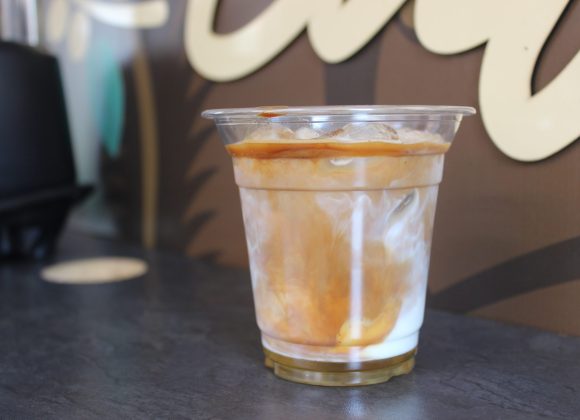
| Outdoor event in warm weather | Iced options reduce hot drink demand but cold stock needs planning too |
What Good Planning Actually Looks Like
A coffee service that never runs out isn’t the result of ordering more than you think you need. It’s the result of working with a provider who understands your event, asks the right questions, and plans a service that fits the actual demand curve rather than an average.
The conversation with your provider should happen before the booking is confirmed, not after. Share your event structure. Ask how they’ll handle your peak window. Ask what happens if demand is higher than expected. A confident, specific answer tells you that you’re dealing with someone who has thought about this properly.
Frequently Asked Questions
How do I calculate how much coffee my event needs?
A rough starting point is two to three drinks per guest for a full-day event, or one to two drinks per guest for a shorter event. The number that matters most is how many guests will want coffee in your peak 20-minute window. Plan service capacity around that figure rather than the daily total.
Is running out of coffee really that big a deal at an event?
It’s a detail, but details shape impressions. Guests who wanted a second cup and couldn’t get one notice. It’s the kind of thing that gets mentioned when someone is recounting the event afterwards, not as the main story, but as a qualifier that slightly dulls an otherwise good experience.
What’s the difference between a hired urn and a mobile coffee bar for supply purposes?
A hired urn holds a fixed volume. When it’s empty, it’s done until someone refills it. A mobile coffee bar with a trained barista produces drinks to order as demand arrives, which means supply is continuous rather than finite, as long as the service is properly stocked and planned.
Can I add more service capacity on the day if demand is higher than expected?
With a hired urn, no. With a professional mobile coffee bar provider, this is worth discussing at the booking stage. Raise the question early. Good providers plan for contingencies.
Don’t leave your guests without coffee. Talk to Moka Cafe about planning a coffee service that fits your Gauteng event properly.